

In recent years, the concept of a smart home has transitioned from a futuristic dream to a tangible reality, thanks to the proliferation of smart home devices. These gadgets are designed to enhance convenience, security, and energy efficiency within the home. Smart speakers, such as Amazon Echo and Google Nest, serve as central hubs that allow users to control various devices through voice commands.
With the integration of artificial intelligence, these speakers can manage everything from lighting and temperature to security systems and entertainment options, creating a seamless living experience. Moreover, smart home devices extend beyond mere convenience; they also contribute to energy savings and improved security. Smart thermostats, like the Nest Learning Thermostat, learn user habits and adjust heating and cooling accordingly, leading to reduced energy consumption.
As technology continues to evolve, the integration of smart home devices is expected to become even more sophisticated, making homes not only smarter but also more responsive to the needs of their inhabitants.
Key Takeaways
- Smart home devices enhance convenience and security through automation and remote control.
- Wearable technology tracks health metrics and improves personal connectivity.
- Virtual and augmented reality gadgets offer immersive experiences for gaming and education.
- Portable and wireless chargers provide on-the-go power solutions for multiple devices.
- High-tech kitchen appliances streamline cooking with smart features and automation.
Wearable Technology
Wearable technology has revolutionized the way individuals interact with their health and daily activities. Devices such as smartwatches and fitness trackers have become ubiquitous, offering users real-time data on their physical well-being. These gadgets monitor heart rates, track steps, and even analyze sleep patterns, empowering users to take charge of their health in ways that were previously unimaginable.
Beyond fitness tracking, wearable technology has expanded into various fields, including healthcare and communication. For instance, smartwatches now allow users to receive notifications, answer calls, and even send messages without needing to reach for their smartphones.
This level of connectivity enhances productivity and ensures that users remain engaged with their surroundings. As wearable technology continues to advance, it is likely that future iterations will incorporate even more sophisticated health monitoring features, potentially transforming the landscape of personal health management.
Virtual Reality and Augmented Reality Gadgets
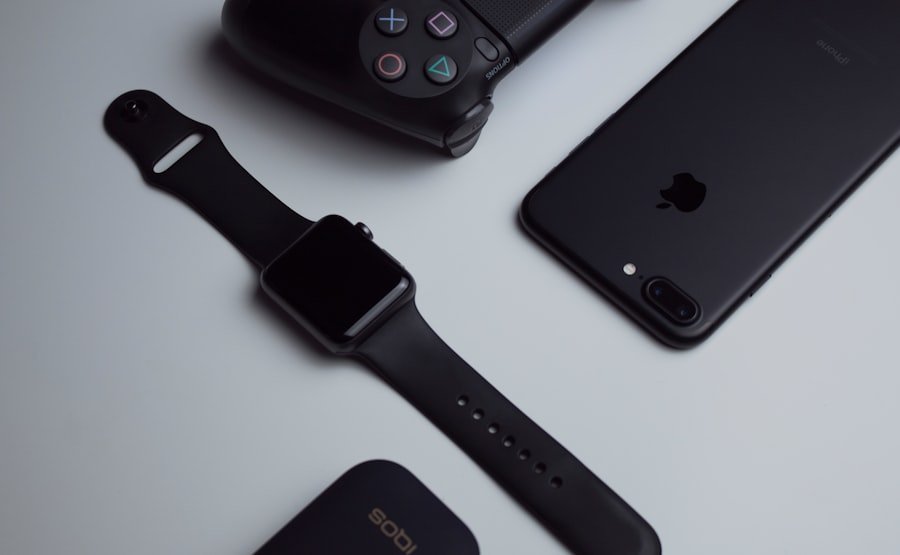
Virtual reality (VR) and augmented reality (AR) gadgets have emerged as groundbreaking tools that redefine how individuals experience entertainment, education, and even social interactions. VR headsets like the Oculus Quest and HTC Vive immerse users in entirely virtual environments, allowing them to explore new worlds or engage in interactive gaming experiences. This technology has not only captivated gamers but has also found applications in fields such as training simulations for medical professionals and military personnel.
On the other hand, augmented reality enhances the real world by overlaying digital information onto physical environments. Devices like Microsoft’s HoloLens and mobile applications such as Pokémon GO have demonstrated the potential of AR in both entertainment and practical applications. For instance, AR can assist in interior design by allowing users to visualize how furniture would look in their homes before making a purchase.
As these technologies continue to evolve, they promise to create even more immersive experiences that blur the lines between reality and the digital realm.
Portable and Wireless Chargers
In an age where connectivity is paramount, portable and wireless chargers have become essential accessories for many individuals. The demand for power on-the-go has led to innovations in charging technology that prioritize convenience without sacrificing efficiency. Portable chargers come in various shapes and sizes, allowing users to carry a backup power source wherever they go.
These devices are particularly useful for travelers or those who spend long hours away from traditional power outlets. Wireless charging has also gained traction as a hassle-free solution for powering devices. With the advent of Qi-enabled chargers, users can simply place their smartphones or other compatible gadgets on a charging pad without fumbling with cables.
This technology not only simplifies the charging process but also reduces wear and tear on charging ports. As battery technology continues to improve, future portable and wireless chargers are expected to offer faster charging speeds and greater capacity, further enhancing user convenience.
High-Tech Kitchen Appliances
| Gadget | Category | Release Year | Battery Life (hours) | Weight (grams) | Connectivity |
|---|---|---|---|---|---|
| Smartphone X12 | Mobile Phone | 2023 | 24 | 180 | 5G, Wi-Fi 6 |
| Smartwatch Pro | Wearable | 2022 | 48 | 50 | Bluetooth 5.0 |
| NoiseCancel Headphones | Audio | 2021 | 30 | 250 | Bluetooth 5.1 |
| Tablet Z10 | Tablet | 2023 | 12 | 450 | Wi-Fi 6, LTE |
| VR Headset V3 | Virtual Reality | 2024 | 6 | 600 | Wi-Fi 6, USB-C |
The kitchen has become a focal point for technological innovation, with high-tech appliances transforming how meals are prepared and enjoyed. Smart ovens, refrigerators, and coffee makers are just a few examples of how technology is streamlining cooking processes. For instance, smart ovens can be controlled remotely via smartphone apps, allowing users to preheat or adjust cooking settings while away from the kitchen.
This level of control not only saves time but also ensures that meals are cooked to perfection. Additionally, high-tech kitchen appliances often come equipped with features that promote healthier cooking habits. Air fryers and sous-vide machines enable users to prepare meals with less oil while retaining flavor and nutrients.
Smart refrigerators can track inventory levels and suggest recipes based on available ingredients, reducing food waste and encouraging creativity in meal planning. As culinary technology continues to advance, it is likely that kitchens will become even more integrated with smart solutions that enhance both efficiency and enjoyment in cooking.
Smart Health and Fitness Gadgets

The intersection of technology and health has given rise to an array of smart health and fitness gadgets designed to promote well-being and encourage active lifestyles. Wearable devices like fitness trackers monitor physical activity levels, heart rates, and even stress levels, providing users with valuable insights into their health metrics. These gadgets often sync with mobile applications that offer personalized recommendations based on individual goals, making it easier for users to stay motivated.
Moreover, smart health gadgets extend beyond fitness tracking; they also encompass devices that monitor chronic conditions or facilitate telehealth consultations. Blood pressure monitors and glucose meters equipped with Bluetooth capabilities allow patients to share their readings with healthcare providers in real-time. This level of connectivity fosters proactive health management and enhances communication between patients and doctors.
As technology continues to advance in the health sector, it is anticipated that smart health gadgets will play an increasingly vital role in preventive care and personalized medicine.
Advanced Car Gadgets
The automotive industry has witnessed a technological renaissance with the introduction of advanced car gadgets that enhance safety, convenience, and entertainment for drivers and passengers alike. Features such as adaptive cruise control, lane-keeping assist, and automatic emergency braking are becoming standard in many vehicles, significantly improving road safety. These systems utilize sensors and cameras to monitor surroundings and assist drivers in making informed decisions while on the road.
In addition to safety features, advanced car gadgets have transformed the driving experience itself. Infotainment systems now integrate seamlessly with smartphones, allowing drivers to access navigation apps, music streaming services, and hands-free communication without taking their eyes off the road. Furthermore, innovations like heads-up displays project essential information onto the windshield, minimizing distractions while keeping drivers informed.
As automotive technology continues to evolve, it is expected that future vehicles will incorporate even more sophisticated gadgets that prioritize both safety and user experience.
Innovative Entertainment Systems
The realm of entertainment has been revolutionized by innovative systems that cater to diverse preferences and enhance viewing experiences at home. Smart TVs equipped with streaming capabilities allow users to access a plethora of content from various platforms without needing additional devices. With features like voice control and personalized recommendations based on viewing habits, these systems create a tailored entertainment experience that resonates with individual tastes.
Moreover, advancements in audio technology have led to the development of immersive sound systems that complement visual experiences. Surround sound setups and soundbars equipped with Dolby Atmos technology create an enveloping audio environment that brings movies and music to life. Additionally, gaming consoles have evolved into comprehensive entertainment hubs that support streaming services alongside gaming capabilities.
As technology continues to advance in this sector, it is likely that future entertainment systems will offer even more integrated solutions that cater to the evolving demands of consumers seeking high-quality experiences at home.
If you’re looking to stay updated on the latest tech gadgets and deals, you might find this article on tech deals particularly interesting. It highlights some of the best offers currently available, making it easier for you to find the perfect gadget at a great price. Check it out here: Tech Deals.
FAQs
What are tech gadgets?
Tech gadgets are electronic devices designed to perform specific functions, often incorporating the latest technology to enhance convenience, entertainment, or productivity.
What are some common types of tech gadgets?
Common tech gadgets include smartphones, tablets, smartwatches, fitness trackers, wireless earbuds, laptops, and smart home devices like smart speakers and security cameras.
How do tech gadgets improve daily life?
Tech gadgets can improve daily life by providing easier communication, access to information, entertainment, health monitoring, home automation, and increased efficiency in work and personal tasks.
Are tech gadgets expensive?
The cost of tech gadgets varies widely depending on the brand, features, and technology. There are options available for different budgets, from affordable entry-level devices to high-end premium products.
How often do tech gadgets get updated?
Tech gadgets are typically updated every 1 to 3 years, with manufacturers releasing new models or software updates to improve performance, add features, and enhance security.
What should I consider before buying a tech gadget?
Before buying a tech gadget, consider factors such as your budget, intended use, compatibility with other devices, battery life, brand reputation, and available customer support.
Are tech gadgets safe to use?
Most tech gadgets are safe to use when following the manufacturer’s instructions. However, users should be cautious about data privacy, secure their devices with passwords, and keep software updated to protect against security threats.
Can tech gadgets be recycled?
Yes, many tech gadgets can be recycled. It is important to dispose of electronic devices properly through designated e-waste recycling programs to reduce environmental impact.
What is the difference between a gadget and a device?
A gadget is typically a small, innovative electronic tool designed for a specific purpose, while a device is a broader term that can refer to any electronic or mechanical equipment used to perform a function.
Where can I buy tech gadgets?
Tech gadgets can be purchased from electronics stores, online retailers, manufacturer websites, and specialty tech shops. It is advisable to buy from reputable sources to ensure product authenticity and warranty coverage.