
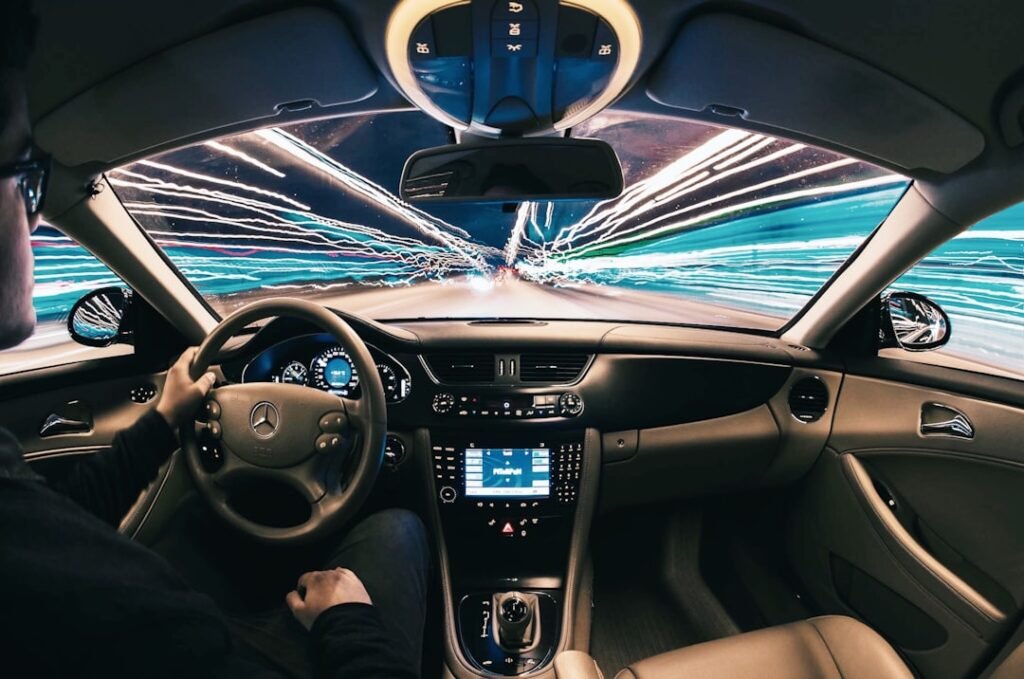
The advent of self-driving cars marks a significant milestone in the evolution of transportation technology. These vehicles, equipped with advanced sensors, artificial intelligence, and machine learning algorithms, have the potential to revolutionize how people commute, transport goods, and interact with their environment. As the world becomes increasingly urbanized and congested, the need for innovative solutions to address traffic-related challenges has never been more pressing.
Self-driving cars promise not only to enhance mobility but also to reshape the very fabric of society. The concept of autonomous vehicles is not entirely new; it has been a topic of fascination for decades. However, recent advancements in technology have propelled this dream closer to reality.
Major automotive manufacturers and tech companies are investing heavily in research and development, striving to create vehicles that can navigate complex environments without human intervention. As these innovations continue to unfold, society stands on the brink of a transportation revolution that could redefine personal freedom and accessibility.
Key Takeaways
- Self-driving cars offer increased safety, convenience, and efficiency in transportation.
- Key challenges include technical limitations, cybersecurity risks, and ethical concerns.
- Autonomous vehicles could significantly reshape job markets and urban planning.
- Advances in AI, sensors, and connectivity are driving rapid improvements in self-driving technology.
- Regulatory frameworks and infrastructure must evolve to support widespread adoption of autonomous vehicles.
Advantages and Benefits of Self-Driving Cars
One of the most compelling advantages of self-driving cars is their potential to significantly reduce traffic accidents. Human error is responsible for a vast majority of road incidents, and autonomous vehicles are designed to eliminate this factor. By utilizing sophisticated sensors and algorithms, these cars can detect obstacles, anticipate potential hazards, and make split-second decisions that enhance safety.
The prospect of fewer accidents not only saves lives but also reduces the economic burden associated with traffic collisions, including medical costs and property damage. In addition to safety improvements, self-driving cars offer increased efficiency in transportation. With the ability to communicate with one another and optimize routes in real-time, these vehicles can minimize traffic congestion and reduce travel times.
This efficiency extends beyond personal vehicles; it can also transform logistics and delivery services. Companies can leverage autonomous technology to streamline operations, ensuring timely deliveries while cutting costs associated with human drivers. The ripple effect of these efficiencies could lead to a more productive economy, as time saved on the road translates into more time for work and leisure.
Challenges and Concerns of Self-Driving Cars

Despite the numerous advantages, the journey toward widespread adoption of self-driving cars is fraught with challenges and concerns. One of the primary issues revolves around technology reliability.
Incidents involving self-driving cars have raised questions about their ability to handle unpredictable situations, such as inclement weather or erratic behavior from other road users. Ensuring that these vehicles can operate safely in all conditions remains a critical hurdle that developers must overcome. Moreover, there are ethical dilemmas associated with autonomous driving technology.
In scenarios where an accident is unavoidable, how should a self-driving car prioritize the safety of its passengers versus pedestrians? These moral quandaries complicate the development of algorithms that govern vehicle behavior in critical situations. The lack of consensus on ethical standards poses a significant barrier to public acceptance and regulatory approval, as society grapples with the implications of relinquishing control over driving decisions.
Impact on Society and Economy
The introduction of self-driving cars is poised to have profound implications for society and the economy at large. One notable impact is the potential transformation of urban landscapes. As autonomous vehicles become more prevalent, cities may need to rethink their infrastructure to accommodate this new mode of transportation.
Parking spaces could be repurposed for green areas or pedestrian walkways, as self-driving cars may not require traditional parking solutions. This shift could lead to more livable cities that prioritize public spaces over vehicle storage. Economically, the rise of self-driving technology could disrupt various industries.
The transportation sector, including trucking and ride-sharing services, may experience significant changes as autonomous vehicles become mainstream. While this could lead to job displacement for drivers, it also opens up new opportunities in technology development, maintenance, and oversight of autonomous fleets. The challenge will be to manage this transition effectively, ensuring that workers are retrained and that new job opportunities arise in tandem with technological advancements.
Technological Advancements in Self-Driving Cars
| Metric | Value | Unit | Description |
|---|---|---|---|
| Average Miles Driven Autonomously | 20,000 | miles/year | Average distance self-driving cars travel autonomously per year |
| Disengagement Rate | 0.1 | per 1,000 miles | Number of times human driver must take control per 1,000 miles |
| Sensor Range | 200 | meters | Maximum detection range of LIDAR sensors |
| Reaction Time | 0.05 | seconds | Time taken by the system to respond to obstacles |
| Accuracy of Object Detection | 98 | percent | Percentage accuracy in identifying objects on the road |
| Average Speed | 45 | mph | Typical operating speed in urban environments |
| Battery Life | 300 | miles | Average distance on a full charge for electric self-driving cars |
The technological landscape surrounding self-driving cars is rapidly evolving, driven by innovations in artificial intelligence, machine learning, and sensor technology. Lidar, radar, and cameras work in concert to provide a comprehensive view of the vehicle’s surroundings, enabling it to navigate complex environments with precision. These advancements allow autonomous vehicles to interpret data in real-time, making informed decisions based on their immediate context.
Furthermore, connectivity plays a crucial role in enhancing the capabilities of self-driving cars. Vehicle-to-vehicle (V2V) and vehicle-to-infrastructure (V2I) communication systems enable cars to share information about traffic conditions, road hazards, and other relevant data. This interconnectedness not only improves safety but also contributes to more efficient traffic management systems.
As technology continues to advance, the integration of artificial intelligence will further enhance the decision-making processes of autonomous vehicles, making them more adept at handling diverse driving scenarios.
Future of Transportation Infrastructure
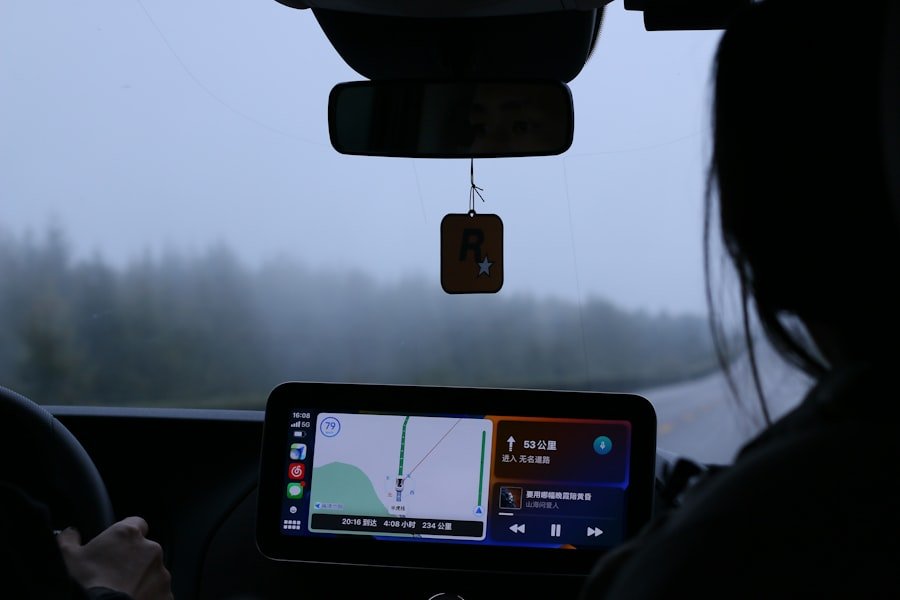
As self-driving cars become more integrated into daily life, there will be a pressing need to adapt transportation infrastructure accordingly. Roads may require redesigning to accommodate the unique characteristics of autonomous vehicles, such as dedicated lanes or smart traffic signals that communicate with cars in real-time. Additionally, charging stations for electric autonomous vehicles will need to be strategically placed throughout urban areas to support widespread adoption.
Moreover, cities will need to invest in smart infrastructure that can support the data-driven nature of self-driving technology. This includes implementing sensors and communication systems that facilitate interaction between vehicles and their environment. The future transportation landscape will likely be characterized by a blend of traditional infrastructure and cutting-edge technology, creating a seamless experience for users while maximizing safety and efficiency.
Regulatory and Legal Considerations
The rise of self-driving cars brings forth a myriad of regulatory and legal considerations that must be addressed before widespread adoption can occur. Governments around the world are grappling with how to create frameworks that ensure safety while fostering innovation in this burgeoning field. Establishing clear guidelines for testing and deploying autonomous vehicles is essential to mitigate risks associated with their operation on public roads.
Liability is another complex issue that requires careful consideration. In the event of an accident involving a self-driving car, determining responsibility can be challenging. Is it the manufacturer’s fault for a software malfunction?
Or does liability fall on the owner for failing to maintain the vehicle? These questions necessitate comprehensive legal frameworks that address accountability in a world where human drivers share the road with autonomous vehicles.
Conclusion and Predictions for the Future
In conclusion, self-driving cars represent a transformative force in transportation that holds immense promise for enhancing safety, efficiency, and accessibility. However, realizing this potential requires overcoming significant challenges related to technology reliability, ethical considerations, infrastructure adaptation, and regulatory frameworks. As society navigates these complexities, it is essential to foster collaboration among stakeholders—including governments, manufacturers, and consumers—to ensure a smooth transition into this new era of mobility.
Looking ahead, predictions suggest that self-driving technology will continue to evolve rapidly over the coming years. As advancements in artificial intelligence and connectivity progress, autonomous vehicles may become increasingly capable of handling diverse driving conditions with minimal human intervention. The integration of these vehicles into everyday life could lead to profound changes in urban planning, economic structures, and societal norms surrounding transportation.
Ultimately, while the road ahead may be fraught with challenges, the potential benefits of self-driving cars make it an exciting frontier worth exploring.
Self-driving cars are at the forefront of technological innovation, transforming the way we think about transportation. For a deeper understanding of how autonomous vehicles are revolutionizing various sectors, you can read the article on this topic at Revolutionizing Industries with Cutting-Edge Technology. This article explores the impact of advanced technologies, including self-driving cars, on different industries and highlights the potential benefits and challenges they present.