
The journey of electric cars began long before the modern era, tracing back to the 19th century when inventors first experimented with electric propulsion. In the 1830s, Scottish inventor Robert Anderson created one of the earliest electric carriages, although it was rudimentary and not widely adopted. The late 1800s saw a surge in interest, with electric vehicles (EVs) gaining popularity in urban areas due to their quiet operation and ease of use compared to steam and gasoline-powered vehicles.
By the turn of the 20th century, electric cars accounted for a significant portion of the automotive market, with models like the Baker Electric gaining traction among affluent consumers. However, the rise of the internal combustion engine, coupled with the mass production techniques introduced by Henry Ford, led to a decline in electric vehicle popularity. Gasoline-powered cars became more affordable and offered greater range and convenience.
The Great Depression further exacerbated the situation, as electric vehicles fell out of favor and were largely forgotten for decades. It wasn’t until the late 20th century that electric cars began to re-emerge, driven by growing concerns over oil dependency and environmental issues. The introduction of models like the GM EV1 in the 1990s marked a pivotal moment, reigniting interest in electric mobility and setting the stage for the modern electric vehicle revolution.
Key Takeaways
- Electric cars have evolved significantly from early models to modern advanced vehicles.
- Innovations in battery technology and software have greatly improved electric vehicle performance.
- Electric cars contribute to reducing greenhouse gas emissions and environmental pollution.
- Government incentives and regulations play a crucial role in accelerating electric vehicle adoption.
- Expanding charging infrastructure and addressing consumer concerns are key to widespread electric vehicle acceptance.
Technological Advancements in Electric Vehicles
The evolution of electric vehicles has been significantly influenced by rapid technological advancements over the past few decades. One of the most notable developments has been in battery technology. Lithium-ion batteries have become the standard for electric cars, offering higher energy density, longer life cycles, and reduced weight compared to earlier battery types.
This shift has enabled manufacturers to produce vehicles with greater range and performance, addressing one of the primary concerns consumers had regarding electric cars: range anxiety. In addition to battery improvements, advancements in electric drivetrains have also played a crucial role in enhancing vehicle performance. Electric motors provide instant torque, resulting in quicker acceleration and a more responsive driving experience.
Furthermore, innovations in regenerative braking systems allow electric vehicles to recover energy during braking, improving overall efficiency. These technological strides have not only made electric cars more appealing to consumers but have also paved the way for new features such as autonomous driving capabilities and advanced connectivity options.
The Environmental Impact of Electric Cars
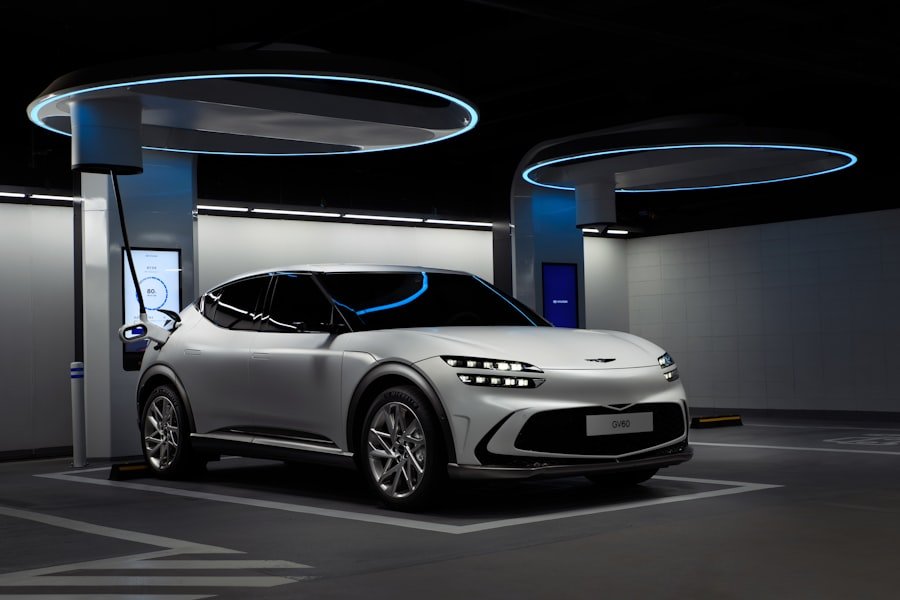
Electric vehicles are often heralded as a solution to reducing greenhouse gas emissions and combating climate change. Unlike traditional gasoline-powered cars, which emit carbon dioxide and other pollutants during operation, electric cars produce zero tailpipe emissions. This characteristic is particularly beneficial in urban areas where air quality is a significant concern.
As more cities implement stringent emissions regulations, the transition to electric vehicles is seen as a vital step toward cleaner air and healthier communities. However, the environmental impact of electric cars extends beyond their operation. The production of batteries, particularly lithium-ion batteries, raises concerns about resource extraction and environmental degradation.
Mining for lithium, cobalt, and nickel can lead to habitat destruction and pollution if not managed responsibly. Additionally, the electricity used to charge electric vehicles must be considered; if it comes from fossil fuel sources, the overall emissions reduction may be less significant than anticipated. Therefore, while electric cars offer substantial environmental benefits, a holistic approach that includes sustainable battery production and renewable energy sources is essential for maximizing their positive impact.
The Role of Government Policies in Promoting Electric Vehicle Adoption
Government policies have played a pivotal role in accelerating the adoption of electric vehicles across various regions. Incentives such as tax credits, rebates, and grants have made electric cars more financially accessible to consumers.
In addition to financial incentives, governments have also invested in infrastructure development to support electric vehicle adoption. The establishment of charging networks is crucial for alleviating range anxiety and ensuring that drivers have convenient access to charging stations. Many governments are setting ambitious targets for EV adoption and are implementing regulations that require automakers to produce a certain percentage of electric vehicles.
These policies not only stimulate market demand but also signal a commitment to reducing carbon emissions and promoting sustainable transportation solutions.
Challenges and Opportunities for Electric Vehicle Adoption
| Metric | Value | Unit | Notes |
|---|---|---|---|
| Average Range | 250 | miles | Typical range per full charge for mid-range electric cars |
| Battery Capacity | 60 | kWh | Average battery size in electric vehicles |
| Charging Time (Fast Charger) | 30 | minutes | Time to charge up to 80% using DC fast charging |
| CO2 Emissions | 0 | g/km | Tailpipe emissions for electric cars |
| Global Electric Car Sales (2023) | 10,000,000 | units | Estimated worldwide sales |
| Average Cost | 40,000 | USD | Typical purchase price before incentives |
| Energy Efficiency | 3.5 | miles/kWh | Average energy consumption efficiency |
Despite the promising outlook for electric vehicle adoption, several challenges remain that could hinder widespread acceptance. One of the most significant barriers is the current state of charging infrastructure. While progress has been made in expanding charging networks, many regions still lack sufficient charging stations, particularly in rural areas.
This limitation can deter potential buyers who may worry about finding a place to charge their vehicles during long trips. Another challenge is the perception of electric vehicles among consumers. Many individuals still harbor misconceptions about EVs, including concerns about their performance, range, and overall reliability compared to traditional vehicles.
Addressing these misconceptions through education and awareness campaigns is essential for fostering greater acceptance of electric cars. However, these challenges also present opportunities for innovation and growth within the industry. As technology continues to advance and charging infrastructure expands, manufacturers can capitalize on consumer demand for sustainable transportation options.
The Future of Electric Car Charging Infrastructure
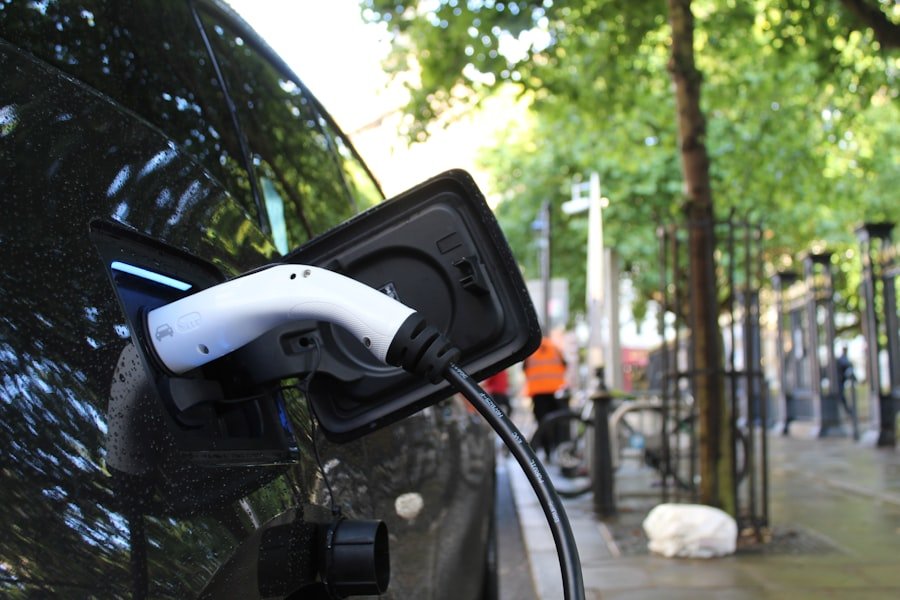
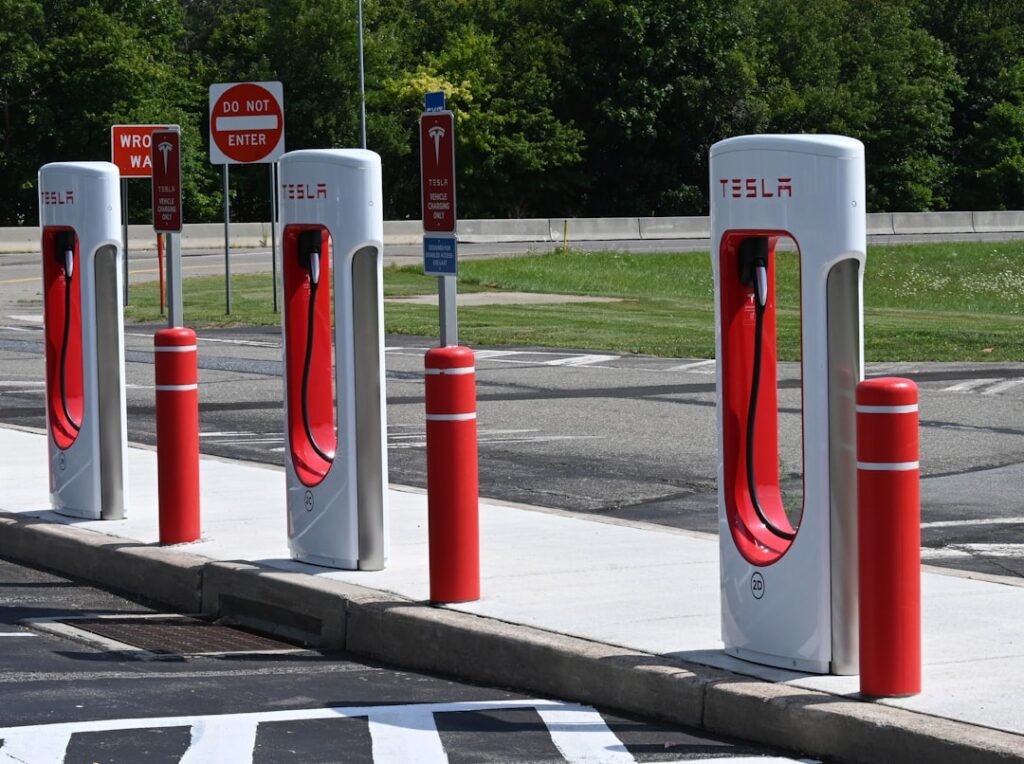
The future of electric car charging infrastructure is poised for significant transformation as demand for electric vehicles continues to rise. One promising development is the emergence of fast-charging technology that allows drivers to recharge their vehicles in a matter of minutes rather than hours. This advancement could dramatically improve convenience for EV owners and make electric cars more appealing to a broader audience.
Moreover, there is a growing trend toward integrating charging stations into existing infrastructure, such as parking lots and shopping centers. This approach not only enhances accessibility but also encourages businesses to invest in charging solutions as a way to attract environmentally conscious consumers. Additionally, innovations like wireless charging technology are being explored, which could further streamline the charging process by eliminating the need for physical connections altogether.
Consumer Perceptions and Adoption of Electric Vehicles
Consumer perceptions play a crucial role in shaping the future of electric vehicle adoption. While awareness of electric cars has increased significantly over recent years, many potential buyers still have reservations about making the switch from traditional gasoline-powered vehicles. Factors such as range anxiety, charging time, and concerns about battery life contribute to these hesitations.
To address these concerns, automakers are focusing on educating consumers about the benefits of electric vehicles and showcasing advancements in technology that enhance performance and convenience. Test drive events and promotional campaigns are being utilized to provide firsthand experiences that can help dispel myths surrounding EVs. As consumers become more informed about the advantages of electric mobility—such as lower operating costs and reduced environmental impact—adoption rates are expected to rise.
The Potential for Electric Cars in Transforming the Automotive Industry
The rise of electric vehicles has the potential to fundamentally transform the automotive industry as a whole. As manufacturers pivot toward electrification, traditional business models are being challenged, leading to new opportunities for innovation and collaboration. Automakers are increasingly investing in research and development to create cutting-edge technologies that enhance vehicle performance while reducing environmental impact.
Furthermore, the shift toward electric mobility is prompting a reevaluation of supply chains and manufacturing processes within the industry. Companies are exploring sustainable practices in sourcing materials for batteries and components while also considering circular economy principles that promote recycling and reuse. This transformation not only aligns with global sustainability goals but also positions automakers as leaders in an evolving market that prioritizes environmental responsibility.
In conclusion, the rise of electric cars represents a significant shift in transportation paradigms that encompasses historical developments, technological advancements, environmental considerations, government policies, consumer perceptions, and industry transformations. As challenges are addressed and opportunities are seized, electric vehicles are poised to play an integral role in shaping a sustainable future for mobility worldwide.
Electric cars are rapidly transforming the automotive industry, offering a sustainable alternative to traditional gasoline-powered vehicles.