
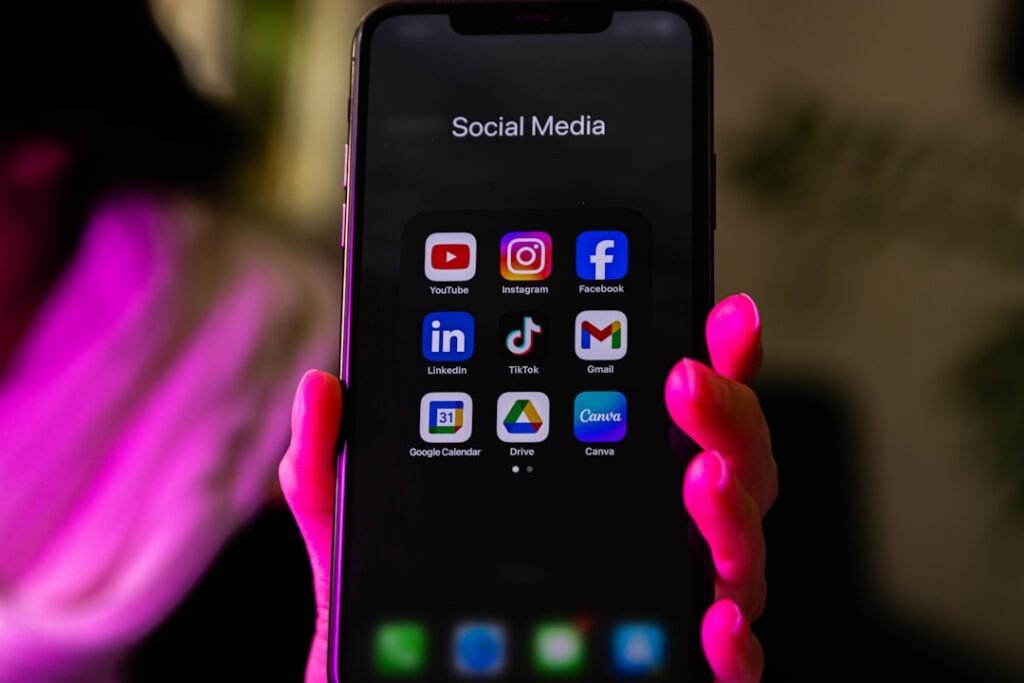
In the contemporary digital landscape, mobile applications have become an integral part of daily life, transforming the way individuals interact with technology. These applications, commonly referred to as apps, are software programs designed to run on mobile devices such as smartphones and tablets. They serve a multitude of purposes, ranging from enhancing productivity to providing entertainment, and their influence is pervasive across various sectors.
The rapid advancement of mobile technology has led to an explosion in the number and variety of apps available, catering to diverse user needs and preferences. The evolution of mobile apps can be traced back to the early days of smartphones, where basic functionalities were limited to simple tasks. However, as technology progressed, so did the complexity and capabilities of these applications.
The convenience and accessibility offered by mobile apps have not only changed consumer behavior but have also reshaped entire industries, making them a focal point in discussions about innovation and digital transformation.
Key Takeaways
- Mobile apps span diverse categories, enhancing various aspects of daily life.
- Health and fitness apps promote wellness through tracking and personalized plans.
- Productivity apps help users organize tasks and improve time management.
- Financial apps assist with budgeting, investing, and managing expenses.
- Education apps provide accessible learning opportunities across subjects and skills.
Health and Fitness Apps
Health and fitness apps have emerged as a significant category within the mobile application ecosystem, reflecting a growing societal emphasis on wellness and self-care. These applications provide users with tools to monitor their physical activity, track dietary habits, and manage overall health. With features such as step counters, calorie trackers, and workout planners, these apps empower individuals to take charge of their fitness journeys.
The integration of wearable technology has further enhanced the functionality of these applications, allowing for real-time data collection and analysis. Moreover, health and fitness apps often foster a sense of community among users. Many platforms include social features that enable individuals to share their progress, participate in challenges, or connect with like-minded fitness enthusiasts.
This social aspect not only motivates users but also creates a supportive environment that encourages accountability. As the demand for personalized health solutions continues to rise, developers are increasingly incorporating artificial intelligence and machine learning into these apps, offering tailored recommendations based on user data and preferences.
Productivity and Organization Apps

In an age where multitasking has become the norm, productivity and organization apps play a crucial role in helping individuals manage their time and tasks effectively. These applications range from simple to-do lists to comprehensive project management tools that facilitate collaboration among teams. By providing users with the ability to prioritize tasks, set deadlines, and track progress, these apps enhance efficiency and streamline workflows.
The rise of remote work has further amplified the importance of productivity apps. As more individuals find themselves working from home or in hybrid environments, the need for effective organization tools has surged. Applications that integrate calendar functions, reminders, and note-taking capabilities have become indispensable for maintaining focus and ensuring that important tasks are not overlooked.
Additionally, many productivity apps now offer cloud-based solutions, allowing users to access their information from multiple devices seamlessly. This flexibility is essential in today’s fast-paced world, where adaptability is key to success.
Financial Management Apps
Financial management apps have revolutionized the way individuals handle their finances, providing tools that simplify budgeting, tracking expenses, and managing investments. These applications cater to a wide audience, from those seeking to gain better control over their personal finances to seasoned investors looking for advanced analytics. By offering features such as expense categorization, bill reminders, and investment tracking, these apps empower users to make informed financial decisions.
The increasing complexity of financial markets has also led to the development of specialized financial management apps that cater to specific needs. For instance, some applications focus solely on budgeting, while others provide comprehensive investment platforms that allow users to trade stocks or cryptocurrencies directly from their mobile devices. The convenience of having financial tools readily available on smartphones has encouraged more individuals to take an active role in managing their finances, fostering a culture of financial literacy that is essential in today’s economy.
Entertainment and Gaming Apps
| Metric | Value | Description |
|---|---|---|
| Number of Mobile Apps (2024) | 5.5 million | Total apps available on major app stores (Google Play & Apple App Store) |
| Average Daily Usage | 4.8 hours | Average time users spend on mobile apps per day |
| Top App Category | Games | Most downloaded and used app category globally |
| Retention Rate (30-day) | 25% | Percentage of users who return to an app 30 days after installation |
| Average App Size | 35 MB | Average file size of mobile apps |
| Monthly Active Users (Top App) | 2 billion | Monthly active users for the most popular mobile app |
| App Store Revenue Growth | 12% YoY | Year-over-year growth rate of app store revenue |
Entertainment and gaming apps represent one of the most vibrant sectors within the mobile application market. With millions of users worldwide seeking leisure activities on their devices, these applications offer a diverse range of options that cater to various interests. From streaming services that provide access to movies and music to interactive games that engage users in immersive experiences, the entertainment landscape has been significantly transformed by mobile technology.
The gaming industry, in particular, has seen explosive growth due to the accessibility of mobile platforms. Casual games have become immensely popular among a broad demographic, allowing users to enjoy gaming experiences without the need for dedicated consoles or high-end computers. Additionally, many gaming apps incorporate social features that enable players to connect with friends or compete against others globally.
This social interaction enhances the gaming experience and fosters a sense of community among players. As technology continues to advance, developers are exploring new ways to enhance user engagement through augmented reality (AR) and virtual reality (VR), promising even more innovative gaming experiences in the future.
Communication and Social Networking Apps

Communication and social networking apps have fundamentally altered how people connect with one another. These applications facilitate instant communication through text messaging, voice calls, and video chats, breaking down geographical barriers and enabling real-time interaction.
The impact of these apps extends beyond personal communication; they have also transformed how businesses engage with customers. Companies leverage social media platforms for marketing purposes, using targeted advertising to reach specific demographics effectively. Additionally, customer service has evolved with the rise of messaging apps that allow businesses to provide support directly through chat features.
This shift towards digital communication has created new opportunities for engagement but also presents challenges related to privacy and data security that must be addressed as technology continues to evolve.
Education and Learning Apps
Education and learning apps have gained significant traction in recent years, particularly in light of the global shift towards online learning. These applications provide users with access to a wealth of educational resources, ranging from language learning tools to comprehensive courses on various subjects. By leveraging multimedia content such as videos, quizzes, and interactive exercises, these apps create engaging learning experiences that cater to different learning styles.
The flexibility offered by education apps allows learners to study at their own pace and on their own schedule. This accessibility is particularly beneficial for individuals balancing work or family commitments while pursuing educational goals. Furthermore, many educational platforms incorporate gamification elements that make learning more enjoyable and motivating.
As technology continues to advance, the potential for personalized learning experiences through artificial intelligence will likely reshape the educational landscape even further.
The Future of Mobile Apps
As mobile technology continues to evolve at an unprecedented pace, the future of mobile apps appears promising yet complex. The ongoing integration of artificial intelligence and machine learning into app development is set to enhance user experiences by providing personalized content and recommendations tailored to individual preferences. This trend will likely lead to more intuitive interfaces that anticipate user needs before they even articulate them.
Moreover, as society becomes increasingly reliant on mobile technology for various aspects of life—from health management to financial planning—the demand for innovative applications will only grow. Developers will need to prioritize user privacy and data security as they create new solutions that address emerging challenges in an interconnected world. The future landscape of mobile apps will undoubtedly be shaped by advancements in technology as well as evolving user expectations, making it an exciting field ripe with potential for innovation and growth.
Mobile apps are transforming the way we interact with technology, making everyday tasks more convenient and efficient. For a deeper understanding of how these applications are shaping various sectors, you can read about the impact of technology on industries in this insightful article: Revolutionizing Industries with Cutting-Edge Technology. This piece explores the innovative solutions that mobile apps provide across different fields, highlighting their significance in today’s digital landscape.