
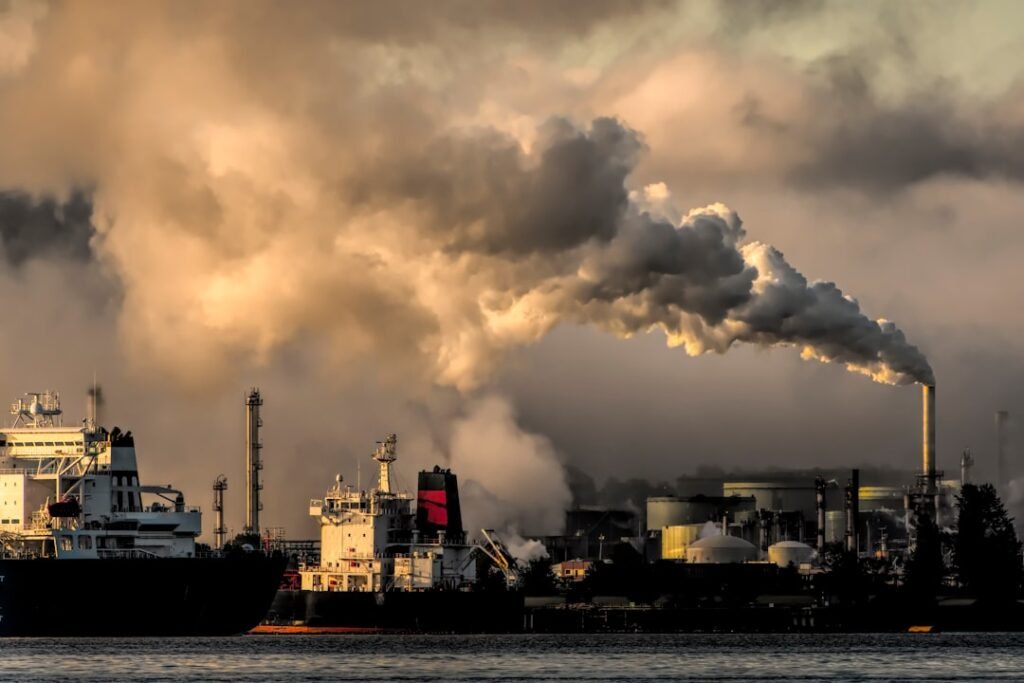
Climate change represents one of the most pressing challenges of the 21st century, affecting ecosystems, economies, and communities worldwide. The phenomenon is primarily driven by human activities, particularly the burning of fossil fuels, deforestation, and industrial processes that release greenhouse gases into the atmosphere. As these gases accumulate, they trap heat, leading to a rise in global temperatures.
This warming has far-reaching consequences, including more frequent and severe weather events, rising sea levels, and shifts in biodiversity. The impact of climate change is not uniform; it varies significantly across different regions and populations, often exacerbating existing inequalities. The effects of climate change are evident in various forms, from the melting of polar ice caps to the increasing intensity of hurricanes and droughts.
These changes disrupt natural habitats and threaten species extinction, while also posing significant risks to human health and safety. Communities that rely on agriculture are particularly vulnerable, as changing weather patterns can lead to crop failures and food insecurity. Furthermore, the economic implications are profound; industries such as tourism, fishing, and agriculture face uncertainty as climate conditions shift.
Understanding these impacts is crucial for developing effective strategies to mitigate and adapt to the ongoing changes in the environment.
Key Takeaways
- Climate change significantly affects ecosystems, economies, and human health worldwide.
- Adapting to climate change faces challenges like resource limitations and socio-economic disparities.
- Government policies are crucial for implementing effective climate adaptation strategies.
- Innovative technologies enhance resilience and provide new solutions for climate adaptation.
- Community engagement and sustainable practices are essential for long-term climate resilience.
Identifying Key Challenges in Adapting to Climate Change
Adapting to climate change presents a myriad of challenges that require urgent attention and action. One of the primary obstacles is the lack of awareness and understanding among the general public and decision-makers about the severity and immediacy of climate threats. Many individuals and organizations underestimate the urgency of adaptation measures, often viewing them as optional rather than essential.
This gap in understanding can lead to insufficient funding and support for necessary initiatives, leaving communities ill-prepared for the impacts of climate change. Another significant challenge lies in the disparity between developed and developing nations. Wealthier countries often have more resources to invest in adaptation strategies, while poorer nations struggle with limited financial means and technological capabilities.
This inequality can result in a lack of infrastructure and support systems in vulnerable regions, making it difficult for them to implement effective adaptation measures. Additionally, political instability and governance issues can hinder progress, as local leaders may prioritize short-term economic gains over long-term sustainability. Addressing these challenges requires a concerted effort from all sectors of society to ensure that adaptation strategies are equitable and inclusive.
The Role of Government Policies in Addressing Climate Change
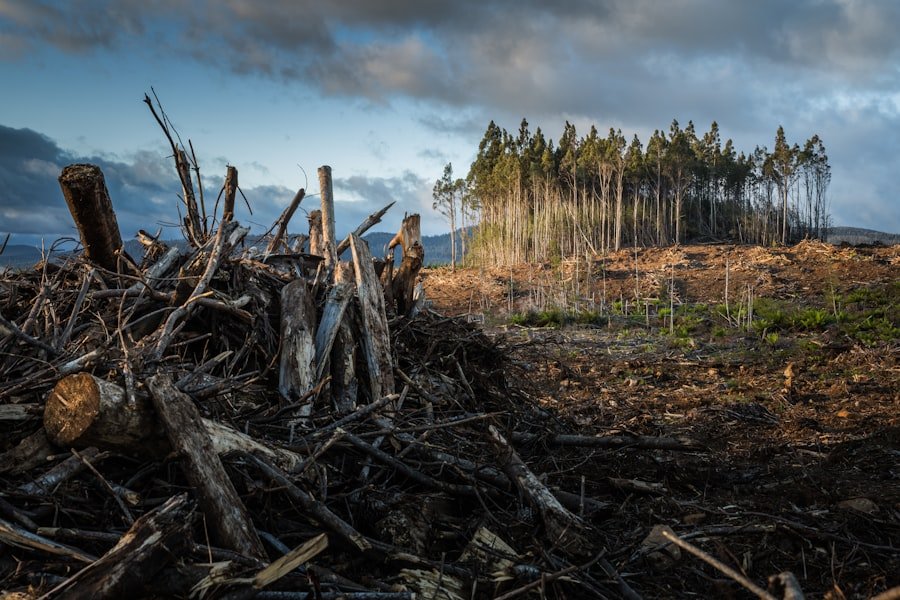
Government policies play a pivotal role in shaping responses to climate change at both national and local levels. Effective policy frameworks can facilitate the implementation of adaptation strategies by providing guidelines, funding, and incentives for sustainable practices. Policymakers have the responsibility to create regulations that promote renewable energy sources, enhance energy efficiency, and reduce greenhouse gas emissions.
By prioritizing climate action within legislative agendas, governments can set a precedent for businesses and communities to follow suit. Moreover, international cooperation is essential in addressing climate change on a global scale. Agreements such as the Paris Accord exemplify how countries can come together to commit to reducing emissions and sharing resources for adaptation efforts.
Governments must also engage with local communities to ensure that policies reflect their unique needs and challenges. By fostering collaboration between various stakeholders—such as businesses, non-profits, and citizens—governments can create comprehensive strategies that address both mitigation and adaptation effectively.
Innovative Technologies and Solutions for Climate Change Adaptation
The advancement of technology offers promising solutions for adapting to climate change. Innovations in renewable energy sources, such as solar and wind power, provide alternatives to fossil fuels that can significantly reduce greenhouse gas emissions. Additionally, smart grid technologies enhance energy efficiency by optimizing electricity distribution and consumption.
Furthermore, emerging technologies in agriculture, such as precision farming and genetically modified crops, can help farmers adapt to changing climatic conditions. These innovations enable more efficient use of resources like water and fertilizers while increasing crop yields in challenging environments.
Urban areas are also leveraging technology through smart city initiatives that incorporate green infrastructure, such as permeable pavements and green roofs, to manage stormwater and reduce urban heat islands. By embracing innovative solutions, societies can enhance their adaptive capacity while simultaneously working towards a sustainable future.
Building Resilience in Communities and Infrastructure
| Metric | Value | Unit | Year | Source |
|---|---|---|---|---|
| Global Average Temperature Increase | 1.2 | °C above pre-industrial levels | 2023 | IPCC |
| Atmospheric CO2 Concentration | 421 | ppm | 2023 | NOAA |
| Sea Level Rise | 20 | cm since 1900 | 2023 | NASA |
| Annual Global Carbon Emissions | 36.3 | Gt CO2 | 2022 | Global Carbon Project |
| Arctic Sea Ice Minimum Extent | 4.3 | million km² | 2023 | NSIDC |
| Deforestation Rate (Tropical Forests) | 10.1 | million hectares per year | 2022 | FAO |
Building resilience is crucial for communities facing the realities of climate change. Resilient communities are those that can withstand environmental shocks while maintaining their essential functions. This involves not only physical infrastructure but also social cohesion and economic stability.
Investments in resilient infrastructure—such as flood defenses, improved drainage systems, and sustainable transportation networks—are vital for protecting communities from climate-related disasters. Moreover, fostering social resilience is equally important. Communities that prioritize education, awareness, and preparedness are better equipped to respond to climate challenges.
Engaging residents in planning processes ensures that local knowledge is incorporated into adaptation strategies. Initiatives such as community gardens or local disaster response teams can strengthen social ties while enhancing food security and emergency preparedness. By focusing on both physical infrastructure and social dynamics, communities can create a holistic approach to resilience that addresses the multifaceted nature of climate change.
Promoting Sustainable Practices in Agriculture and Land Use

Sustainable agricultural practices are essential for adapting to climate change while ensuring food security for future generations. Traditional farming methods often contribute to environmental degradation through deforestation, soil erosion, and excessive use of chemical fertilizers. In contrast, sustainable practices such as crop rotation, agroforestry, and organic farming promote biodiversity and improve soil health.
These methods not only enhance resilience against climate impacts but also reduce greenhouse gas emissions associated with conventional agriculture. Land use planning also plays a critical role in sustainability efforts. Urban sprawl often leads to habitat destruction and increased carbon footprints; therefore, promoting compact city designs that prioritize green spaces can mitigate these effects.
Integrating sustainable land management practices into urban planning ensures that cities can adapt to climate challenges while preserving natural ecosystems. By fostering sustainable agriculture and land use practices, societies can create a more resilient food system that supports both people and the planet.
Collaborative Efforts and Partnerships in Climate Change Adaptation
Collaboration is key to effective climate change adaptation efforts. Partnerships between governments, non-governmental organizations (NGOs), businesses, and local communities can leverage diverse resources and expertise to tackle complex challenges. Collaborative initiatives often lead to innovative solutions that might not emerge within isolated sectors.
For instance, public-private partnerships can drive investment in green technologies while ensuring that local needs are met through community engagement. International collaboration is equally important in addressing global climate challenges. Countries must share knowledge, resources, and best practices to enhance their adaptive capacities collectively.
Initiatives such as knowledge-sharing platforms or joint research projects can facilitate this exchange of information. By fostering collaboration at all levels—local, national, and international—societies can build a united front against climate change while promoting sustainable development.
Empowering Individuals and Communities to Take Action on Climate Change
Empowering individuals and communities is crucial for driving meaningful action on climate change. Grassroots movements have proven effective in raising awareness about environmental issues and advocating for policy changes at local levels. When individuals feel informed and engaged, they are more likely to take action—whether through reducing their carbon footprints or participating in community initiatives aimed at sustainability.
Education plays a vital role in this empowerment process. By providing resources and training on sustainable practices, communities can foster a culture of environmental stewardship. Workshops on energy conservation, waste reduction, or sustainable gardening can equip individuals with practical skills while promoting collective action.
Ultimately, when individuals are empowered to make informed choices about their lifestyles and advocate for systemic changes, they contribute significantly to the broader fight against climate change. In conclusion, addressing climate change requires a multifaceted approach that encompasses understanding its impacts, identifying challenges, implementing effective policies, leveraging technology, building resilience, promoting sustainability in agriculture, fostering collaboration, and empowering individuals. As societies navigate this complex issue, it is imperative that they work together—across sectors and borders—to create a sustainable future for generations to come.
For insights into the latest advancements and their implications, you can read more in the article on breaking tech news and innovations at Tech Progress Lab. This resource highlights how emerging technologies can play a crucial role in addressing environmental challenges and promoting a greener future.